







- Ten Toes In: Why Trump Accounts Make Sense for North Carolina's Small Businesses
- Remnant Called -
- Former Moms for Liberty Chairs in South Carolina Address Massive Departure from Organization
- Same Job. Two Résumés. Graham and Norman Make Their Case for the US Senate
- Greenville County Holding Public Meetings on 1% Transportation Sales Tax Referendum
- Beyond the Monuments - Finding the Forgotten Grave of Dicey Langston
- The Myth of Voting for the Lesser of Two Evils
- AIPAC Lobbyists Grip on Congress
- Hunting Island's Lighthouse Was Built to Outsmart the Atlantic's Shifting Shoreline
- South Carolina Gas Tax Climbs From Near Bottom Nationally to 30th in 2026
- Equipping the Persecuted: Weekend Terror Alert Helped Avert Wider Massacre as Slaughter of Christians Continues to Ravage Nigeria Unchecked by Government
- Thurmond and Murkowski Won as Write-Ins. Is This Year’s Senate Race Really the Same?
- Briefing Notes from the Ukraine and Persian Gulf Wars
- Crime Stoppers Luncheon Remembers Greenville’s Fallen While Honoring Those Who Continue to Serve
- Trump Administration Announces $167 Million to Build Rural Care Sites, Upgrade Health Technology, and Strengthen Prevention Across South Carolina
Union Army Total War Policy in Missouri
- Details
- By Mike Scruggs
- Category: Mike Scruggs' Column
The Palmyra Massacre 1862
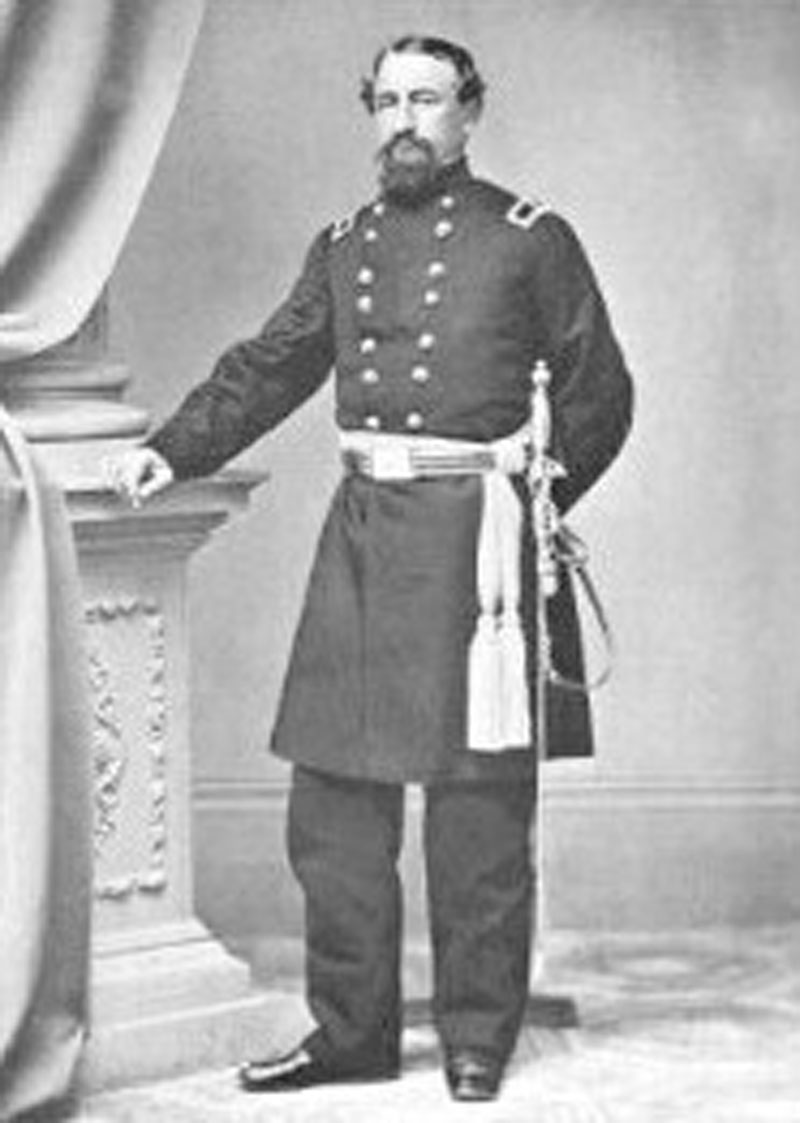
Following the Kansas-Nebraska Act of 1854—which allowed Kansas to allow or reject the institution of slavery by popular sovereignty—a destructive and sometimes bloody border war between Kansas and Missouri partisans raged for six years. The grizzly Manson-style murder of five settlers from Missouri in Pottawatomie, Kansas, in 1856, by the radical abolitionist, John Brown, helped fuel a growing flame of regional distrust. Brown was later hanged in 1859 after an unsuccessful attempt to capture the U.S. arsenal in Harpers Ferry, West Virginia. He had planned to start a bloody slave insurrection. The fact that Brown was praised in many of the pulpits, newspapers, and political debates in New England greatly alarmed the South. This added more fuel to the already smoldering issues of States Rights and enormous, unfair tariffs.

Crushing Peoples, Truth, Values, and Freedom
- Details
- By Mike Scruggs
- Category: Mike Scruggs' Column
Statist Ideology and Total War Doctrine
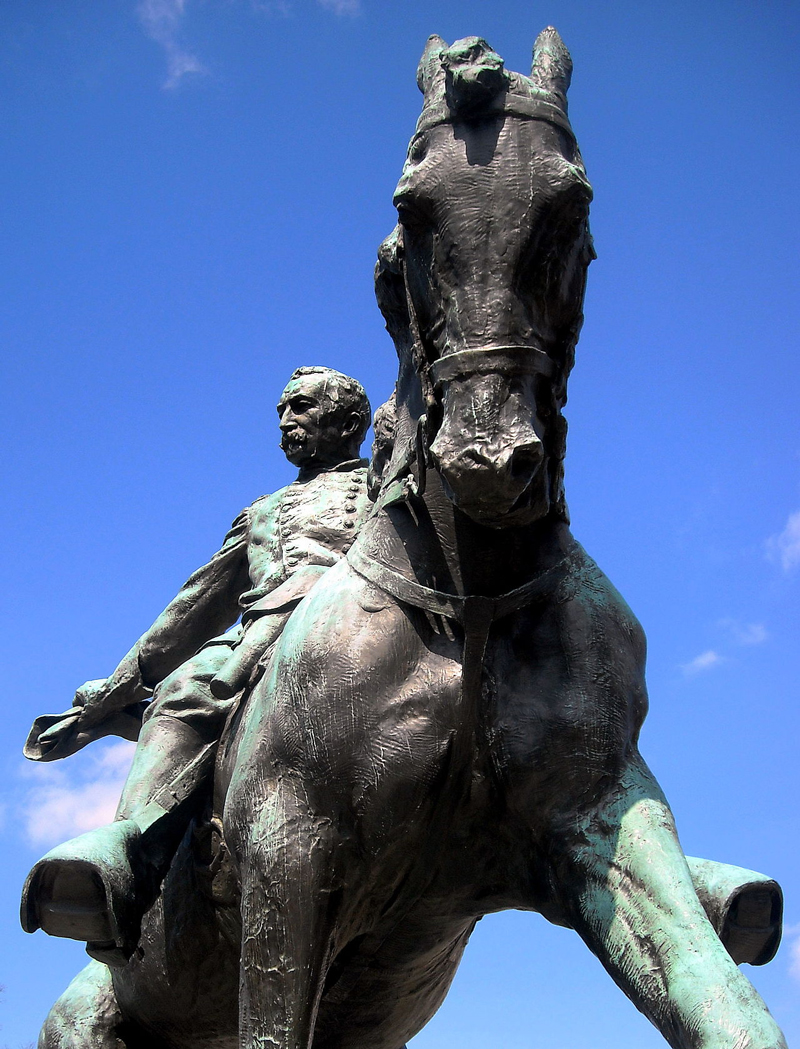
In 1870, Union General Philip Sheridan was assigned as a guest of the King of Prussia to observe the Franco-Prussian War. At a dinner honoring Prussian Chancellor Otto von Bismarck, he shared some of his military experience and philosophy with Prussian Army officers:
“First, deal as hard blows to the enemy’s soldiers as possible, and then cause so much suffering to the inhabitants of the country that they will long for peace and press their government to make it…Nothing should be left to the people but eyes to lament the war.”

Total War on the Shenandoah Valley of Virginia
- Details
- By Mike Scruggs
- Category: Mike Scruggs' Column
Uncovering the Truth about the Un-Civil War
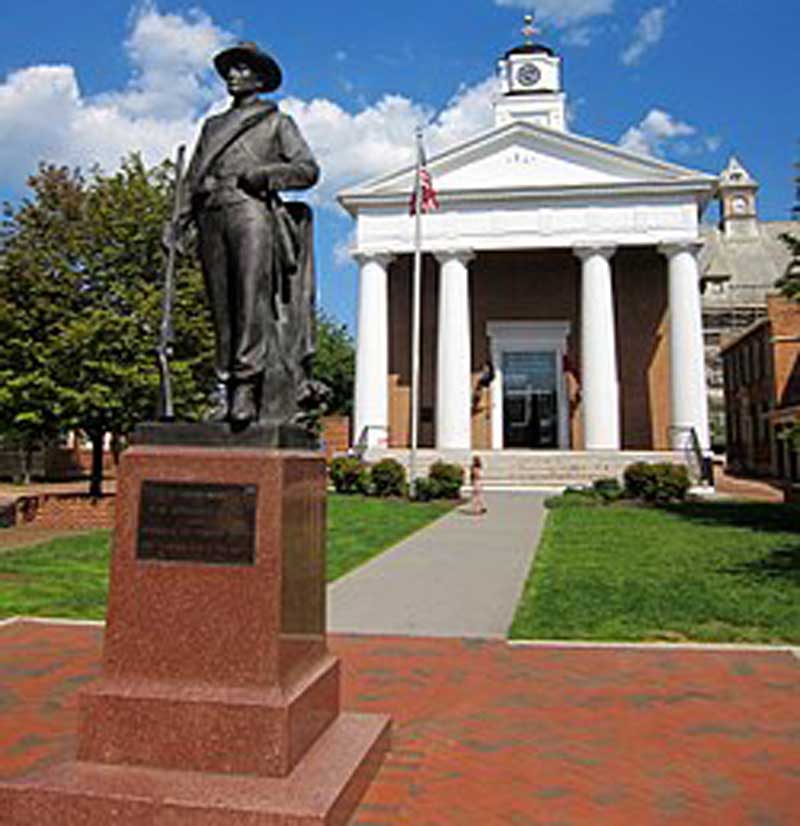
On June 27, 1863, near Chambersburg, Pennsylvania--just days before the momentous Battle of Gettysburg, Confederate General Robert E. Lee issued a general order to the Army of Northern Virginia, praising them for their honorable conduct thus far in their march into Union territory, but cautioning them on their continuing responsibility to respect all private property and the lives of all noncombatants.

The United States and Just War Doctrine
- Details
- By Mike Scruggs
- Category: Mike Scruggs' Column
Standards of Duty and Honor
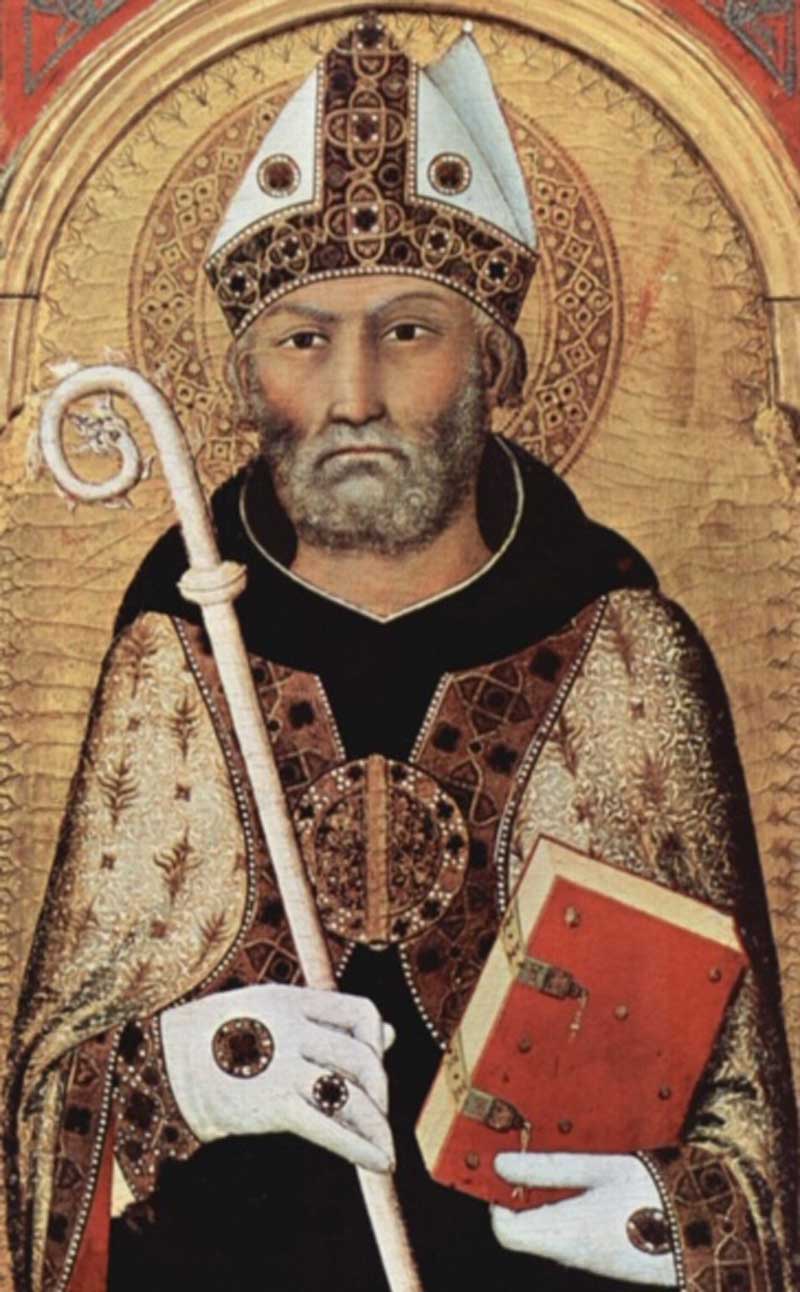
According to Romans 13, governments are ordained by God for the public good. Among the benefits of a just government we surmise from the Commandments are the protection of life, property, and responsible freedom. Governments are given the power of the sword to assure its ordained purposes are sustained. That sword may be used to enforce its ordained purposes within the limits of its geographical sovereignty or to defend itself and its people from foreign intrusion or harassment. War is thus sometimes necessary to maintain peace, safety, justice, and liberty. Categorical pacifism is unbiblical, unrealistic, and unloving. Categorical isolationism is also unrealistic, shortsighted, and lacking in moral depth.

The Impeachment of the President
- Details
- By Mike Scruggs
- Category: Mike Scruggs' Column
The Hammer of Evil Falls Short – Part 3
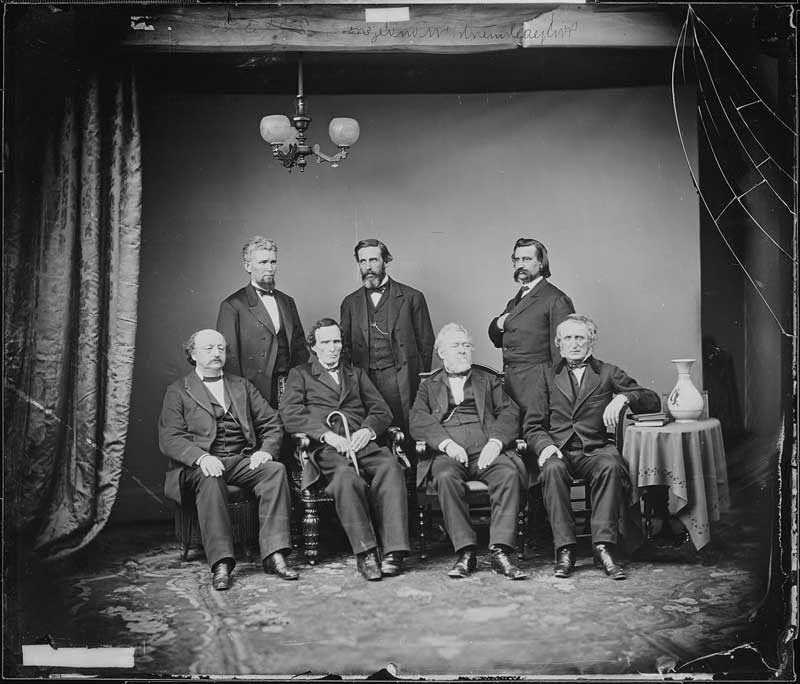
On February 24, 1868, the U.S. House, led by Radical Republicans Thaddeus Stevens, Benjamin Butler, and John Bingham approved an impeachment resolution against President Andrew Johnson by a vote of 126 to 47. There were eleven articles of impeachment, but a central issue was that Johnson had violated the Tenure of Office Act Congress passed in March 1867 to protect Radical Republican Secretary of War Edmund Stanton from being fired by President Johnson. Johnson’s veto of the bill was overridden in the Senate.

 Mike Scruggs is the author of two books: The Un-Civil War: Shattering the Historical Myths; and Lessons from the Vietnam War: Truths the Media Never Told You, and over 600 articles on military history, national security, intelligent design, genealogical genetics, immigration, current political affairs, Islam, and the Middle East.
He holds a BS degree from the University of Georgia and an MBA from Stanford University. A former USAF intelligence officer and Air Commando, he is a decorated combat veteran of the Vietnam War, and holds the Distinguished Flying Cross, Purple Heart, and Air Medal. He is a retired First Vice President for a major national financial services firm and former Chairman of the Board of a classical Christian school.
Click the website below to order books. http://www.universalmediainc.org/books.htm.
Browse by the Top Tags ...