






- Ten Toes In: Why Trump Accounts Make Sense for North Carolina's Small Businesses
- Remnant Called -
- Former Moms for Liberty Chairs in South Carolina Address Massive Departure from Organization
- Same Job. Two Résumés. Graham and Norman Make Their Case for the US Senate
- Greenville County Holding Public Meetings on 1% Transportation Sales Tax Referendum
- Beyond the Monuments - Finding the Forgotten Grave of Dicey Langston
- The Myth of Voting for the Lesser of Two Evils
- AIPAC Lobbyists Grip on Congress
- Hunting Island's Lighthouse Was Built to Outsmart the Atlantic's Shifting Shoreline
- South Carolina Gas Tax Climbs From Near Bottom Nationally to 30th in 2026
- Equipping the Persecuted: Weekend Terror Alert Helped Avert Wider Massacre as Slaughter of Christians Continues to Ravage Nigeria Unchecked by Government
- Thurmond and Murkowski Won as Write-Ins. Is This Year’s Senate Race Really the Same?
- Briefing Notes from the Ukraine and Persian Gulf Wars
- Crime Stoppers Luncheon Remembers Greenville’s Fallen While Honoring Those Who Continue to Serve
- Trump Administration Announces $167 Million to Build Rural Care Sites, Upgrade Health Technology, and Strengthen Prevention Across South Carolina
A Biblical Perspective of Slavery
- Details
- By Mike Scruggs
- Category: Mike Scruggs' Column
Scripture versus Leading Abolitionist Preacher Theodore Parker - Part 4 of a series
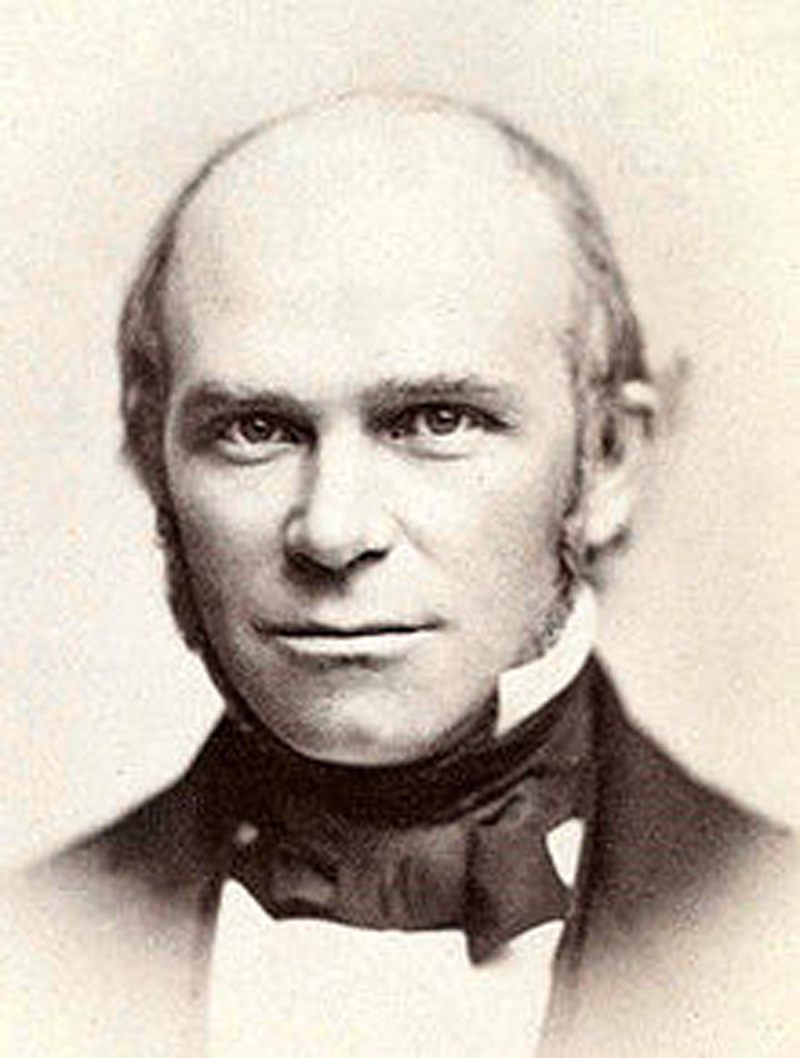
Chapter 25 of Leviticus established Biblical regulation of slavery. Slavery is allowed contingent upon slaves being treated fairly and humanely, but it is not promoted. Slave owners and overseers are not counted as villains or moral lawbreakers unless they significantly mistreat or abuse their slaves. It is also important to understand that in God’s eyes, earthly status of slave or free makes no difference.
Colossians 3: 9-13 Your new status: Chosen by God, so have a humble and forgiving heart.

A Biblical Perspective of Slavery
- Details
- By Mike Scruggs
- Category: Mike Scruggs' Column
Civil War Issues and the Battle for Biblical Authority - Part 3 of a series
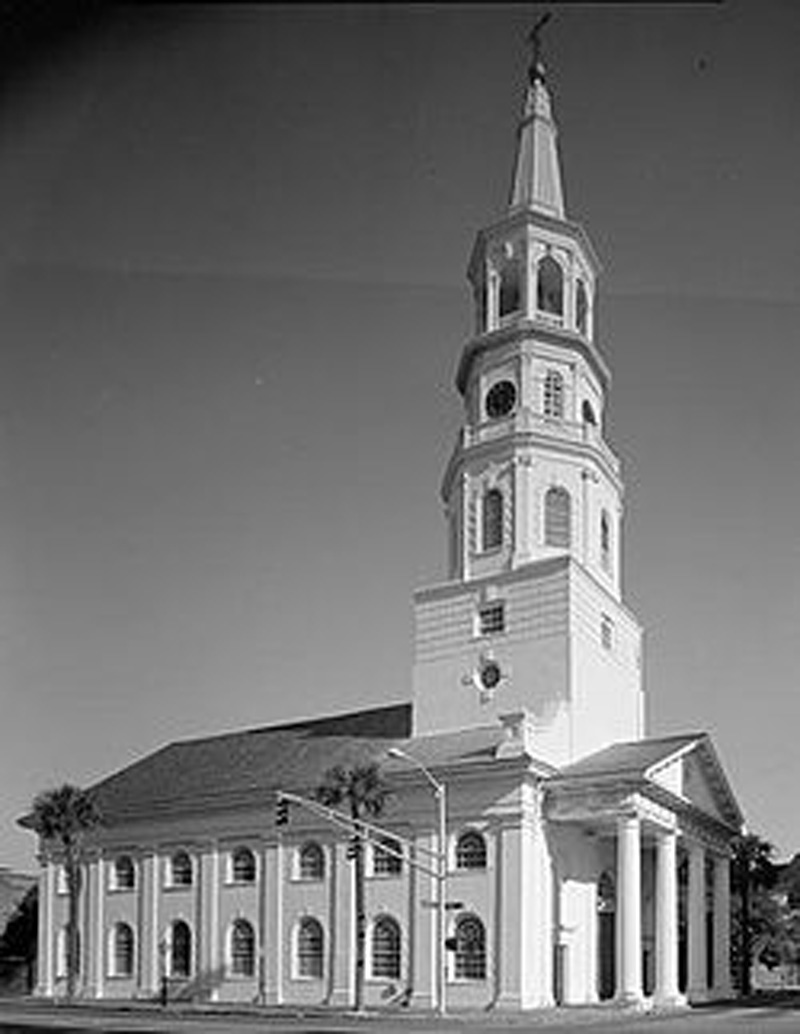
The role of slavery as a cause of the U.S. Civil War has been disingenuously exaggerated. The Civil War was fought to prevent Southern secession and independence and the loss of more than 80 percent of total Federal tax revenues. The Morrill Tariff, part of a 37-year history of protective tariffs profiting the North and exploiting the South, was passed, signed, and endorsed by Lincoln in March 1861. This tariff was so outrageously unfair and burdensome to the South’s agricultural export economy that it practically forced the cotton-producing states to secede to pursue their own economic interest by free trade. States Rights were closely related to Southern economic welfare. Southerners also felt that the Northern political majority was moving away from the Constitutional principles of 1776, 1789, and 1791 toward a consolidated national government pursuing purely sectionalist Northern interests. The principal Northern objective regarding slavery was simply to prevent it from spreading into the territories and new states. The Civil War was not a moral crusade to free slaves.

A Biblical Perspective of Slavery
- Details
- By Mike Scruggs
- Category: Mike Scruggs' Column
Trusted Bondservants and Oppressed Slaves - Part 2 of a series
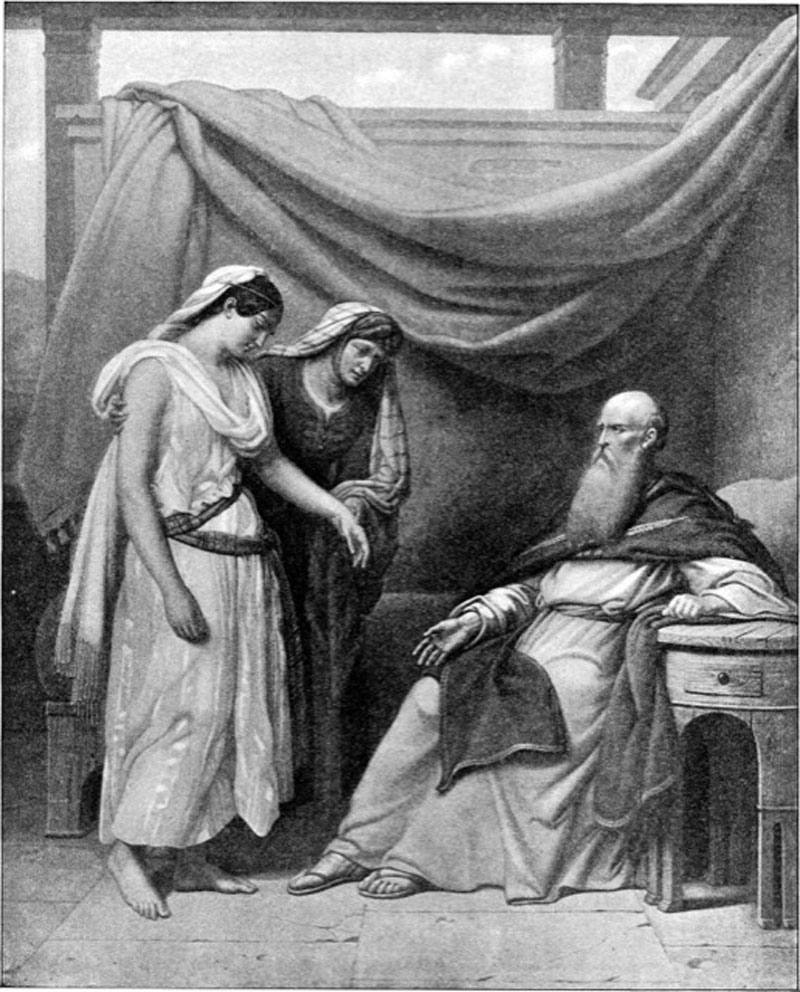
Last week’s article was dominated by direct quotes from Scripture, especially the letters of the Apostle Paul. An overall understanding of those Scriptures should be clear to those who are able to shake the substantial non-Biblical cultural bias prevalent for many decades. The Bible does not promote slavery but providentially allows it and regulates it to prevent human abuse. Slave-owning was not a sin, but slave mistreatment and abuse were.

A Biblical Perspective of Slavery
- Details
- By Mike Scruggs
- Category: Mike Scruggs' Column
Contra Self-righteous Virtue-signaling - Part 1 of a series

The first Bishop of Ephesus, Timothy, had encountered some controversy in his young church, because among its members were both masters and slaves. Evidently, someone in the church was using the issue to stir up enmity, perhaps for some personal or political advantage. In a letter to his protégé, the Apostle Paul writes with divinely inspired authority addressing the issue:

The Development of Union Total War Policy
- Details
- By Mike Scruggs
- Category: Mike Scruggs' Column
The Ravage of Athens, Alabama
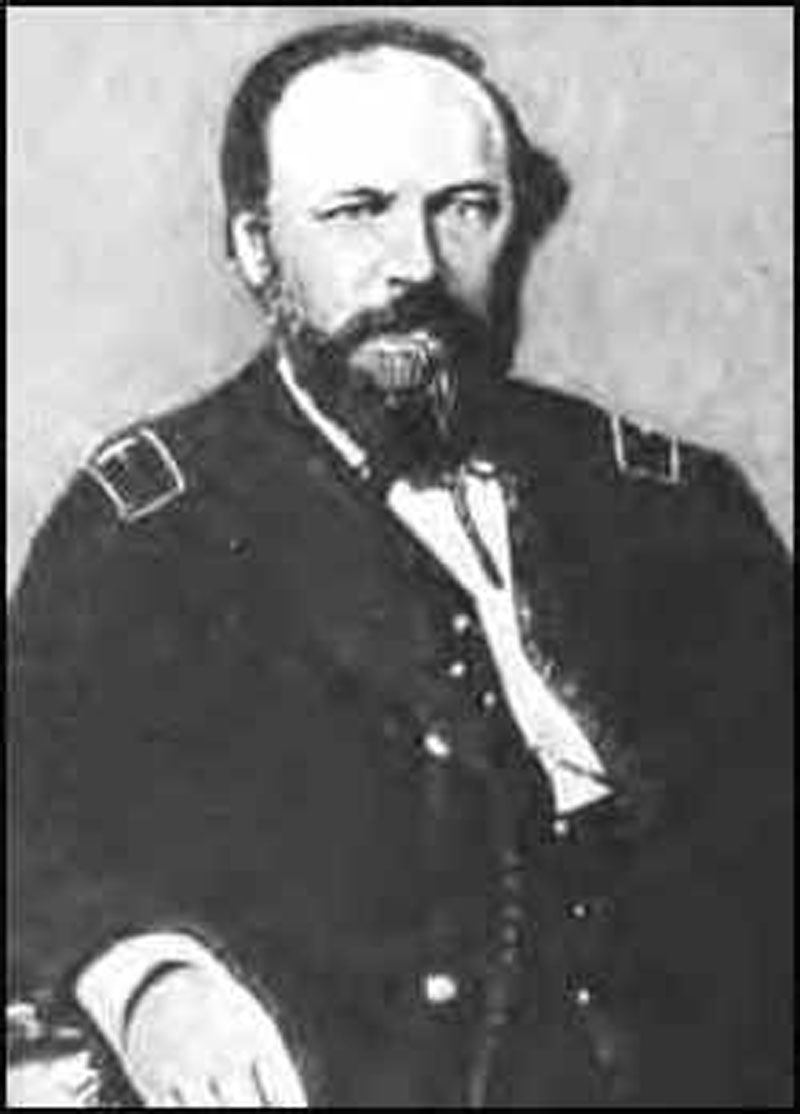
Before Major General John Pope was summoned by President Lincoln to command a combination of reorganized forces called “the Army of Virginia,” in June of 1862, he had distinguished himself as a ruthless opponent of Confederate partisans in Missouri and as an aggressive commander in Mississippi. He encouraged his troops to plunder civilian food sources, burn homes in any area of Confederate resistance, hang civilians suspected of aiding Confederate forces, and shoot civilians in reprisal for Confederate guerilla attacks. He continued his severe philosophy of war in Virginia, drawing the resolute enmity of Confederate Generals Lee and Jackson. During Pope’s rise to fame and favor with Lincoln, he received much praise in the Northern press, until his ignominious defeat in September 1862 at the hands of Jackson and Longstreet at Second Manassas.

 Mike Scruggs is the author of two books: The Un-Civil War: Shattering the Historical Myths; and Lessons from the Vietnam War: Truths the Media Never Told You, and over 600 articles on military history, national security, intelligent design, genealogical genetics, immigration, current political affairs, Islam, and the Middle East.
He holds a BS degree from the University of Georgia and an MBA from Stanford University. A former USAF intelligence officer and Air Commando, he is a decorated combat veteran of the Vietnam War, and holds the Distinguished Flying Cross, Purple Heart, and Air Medal. He is a retired First Vice President for a major national financial services firm and former Chairman of the Board of a classical Christian school.
Click the website below to order books. http://www.universalmediainc.org/books.htm.
Browse by the Top Tags ...