










New transportation bills raise concerns about gas tax use, expanded spending, and whether SC lawmakers are drifting from past promises to taxpayers.
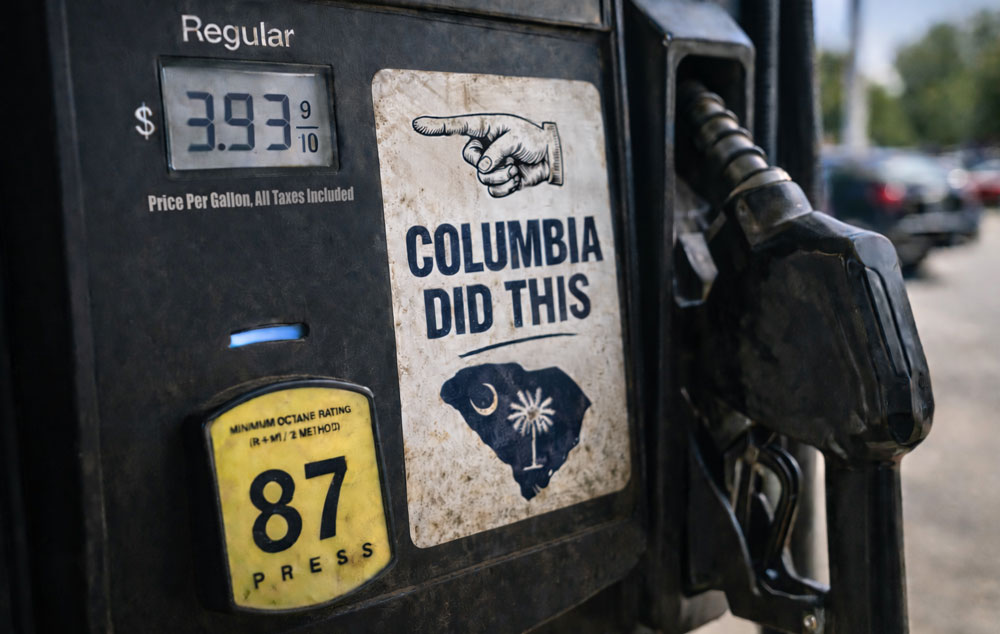
The South Carolina House Ways and Means Committee has advanced two major transportation bills, S.0831 and H.5071, moving them closer to a full House vote and setting off renewed debate over taxes, infrastructure funding, and legislative accountability.
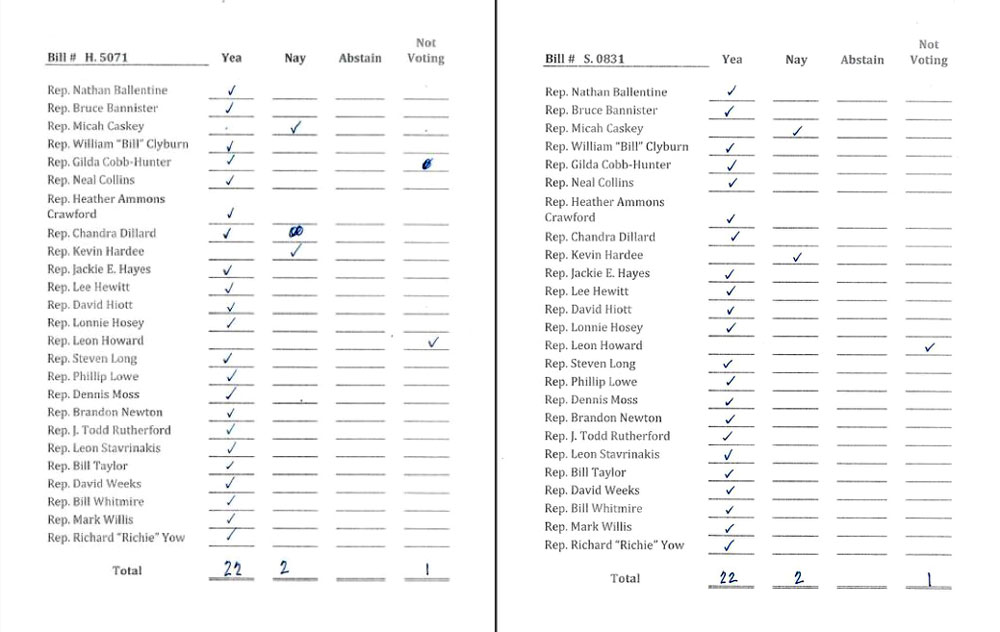
Both S.0831 and H.5071 advanced out of committee, with both bills passing by a vote of 22 in favor, 2 opposed, and 1 not voting, signaling strong support despite growing opposition from fiscal conservatives and grassroots Republican activists.
At first glance, the vote may appear routine. But as more details emerge, critics argue the long-term effects may linger well beyond the initial legislative push, even after the initial explanation has already been clearly communicated.
The Core Issue: Drifting from the 2017 Gas Tax Promise
At the heart of the debate is whether lawmakers are maintaining the original intent of the 2017 gas tax increase (H.3516).
That law was presented to South Carolinians as a necessary step to fix deteriorating roads and bridges, with clear assurances that the additional revenue would be dedicated to infrastructure maintenance. To reinforce that commitment, lawmakers created the Infrastructure Maintenance Trust Fund (see “Infrastructure Maintenance Trust Fund” sidebar below), designed to restrict how those dollars could be used.
Some who oppose the bills say this reflects a pattern they have seen before. When lawmakers propose gas tax increases, the promise is often simple: fix the roads. But over time, critics argue that promises do not always remain fixed. In some cases, responsibilities shift while the original funding mechanisms remain in place.
For many taxpayers, what begins as a clearly defined infrastructure plan can begin to feel less solid and more like hot air.
SC Freedom Caucus: Safeguards at Risk
Opponents of the legislation argue that the changes go beyond routine reform and instead alter the structure of how transportation funds can be used.
The SC Freedom Caucus states:
“South Carolinians were promised that the ‘desperately needed’ 2017 gas tax hike would pay to fix and maintain their roads. And lawmakers created the Infrastructure Maintenance Trust Fund to ensure this tax revenue could only be used for the maintenance of existing roads…”
They go further, warning that the current proposal could significantly alter that framework:
“This new bill destroys the Infrastructure Maintenance Trust Fund, allowing gas tax revenue to be used for any new projects bureaucrats and lawmakers can dream up. So much for fixing the crumbling roads.”
This concern aligns with what some grassroots activists have described as a policy “workaround”: not removing the law outright but expanding its application to the point where its original purpose becomes less defined.
In that sense, those who are concerned argue the policy may remain intact on paper, while its real-world effect begins to drift, shifting just enough to change the outcome without ever fully settling, potentially allowing 2017 gas tax funds to be used for purposes beyond their original intent.
Passing the Burden from State Control to Local Costs
A key provision that has drawn attention is the potential transfer of certain state-maintained roads to local governments.
According to legislative language included in H.5071, the Department of Transportation may identify “nonessential roads” and transfer their ownership and maintenance responsibilities to counties or municipalities.
In counties where those transfers occur, local governments would be granted expanded authority to fund maintenance, including the ability to impose up to a 2% local sales tax and increase property tax millage beyond existing statutory limits, as outlined in Section 57-5-105 of the bill. Those provisions expand the tools available to counties as they assume responsibility for roads previously maintained at the state level.
Those tools effectively place the responsibility for funding those roads at the local level, requiring counties to generate the revenue needed to maintain infrastructure previously handled by the state.
While the additional authority may be presented as a positive step toward increased local control, it also introduces new financial obligations. Counties taking on these roads would be responsible for ongoing maintenance, potentially placing pressure on local officials to generate new revenue to meet those demands.
Critics argue this represents a significant shift in responsibility, moving long-term maintenance obligations from the state to local governments, while state-level gas tax revenues remain more available for broader use beyond their original intent.
Some opponents have described this approach as a form of policy reversal, in which responsibilities are decentralized while funding flexibility at the state level is expanded.
What the Opponents Say Is Inside the Bills
Opposition to the legislation has intensified following detailed claims about what the bills may include.
In calls to action circulated ahead of committee hearings, opponents have pointed to a range of provisions they say are contained in S.0831 and H.5071, including expanded authority for local governments to raise revenue for road funding, an issue previously outlined, as well as a framework for transferring certain state-maintained roads to local control.
Critics also point to additional provisions they say may be included, such as increased registration fees on electric and hybrid vehicles, expanded tolling and bond-financing authority, and long-term infrastructure agreements with private entities.
Taken together, some lawmakers and activists argue that these measures would broaden the ways transportation funding is generated and distributed, potentially shifting financial responsibility across multiple layers of government.
Beyond the gas tax issue, Freedom Caucus members point to provisions that could expand long-term obligations. The SC Freedom Caucus states:
“Instead of using the ever-growing pot of revenue that already exists to fix the roads, this bill opens new pathways for bonds to be issued creating more obligations for taxpayers to pay interest on these new bonds.”
They also raise concerns about structural changes:
“Both bills create more bureaucracy with the creation of a Coordinating Council, in hopes that MORE government will bring desperately needed ‘efficiency.’”
Supporters may view these proposals as modernization efforts. But those who oppose question whether expanding bureaucracy and debt will address underlying inefficiencies.
Grassroots Frustration Builds Across Tax Issues
Beyond the transportation bills themselves, frustration over tax policy is increasingly evident among voters and activists statewide.
Posts circulating on various social media and group platforms suggest the legislation could lead to increased costs across multiple fronts, while others argue that lawmakers are “talking in circles” when explaining the timing and impact of proposed changes.
One commentator described recent tax-related decisions more broadly as a “cash grab,” reflecting a growing concern that complex policy changes may obscure their immediate financial impact.
In that environment, many say it becomes easier to slice the explanation thinly enough that the full impact is harder to detect in real time, leaving taxpayers to sort through what is substance and what is simply air.
While such statements could be considered opinions rather than verified findings, they do rightly illustrate a rising level of skepticism among engaged voters.
A Broader Question of Legislative Consistency
The debate surrounding S.0831 and H.5071 extends beyond transportation policy and into a larger question of legislative consistency, transparency, and honesty.
When a tax increase is passed with clearly defined purposes, should those limitations remain fixed? Or can they evolve over time as new priorities emerge?
Supporters of the bills may argue that flexibility is necessary to meet changing infrastructure needs.
Critics, however, see a familiar pattern. As the state Freedom Caucus summarized:
“What was sold as a major Department of Transportation reform bill is in fact a confused amalgamation of tax hikes… and fiscally irresponsible proposals that would make matters worse.”
When the explanation changes after the tax is already in place, taxpayers are left trying to sort through what is fixed, what has shifted, and what was promised in the first place.
And when the answers start to drift, and the costs continue to rise, one thing becomes clear. The burden doesn’t dissipate. It settles. And for many taxpayers, it just simply stinks.