












The Contract Is Signed. Trust Is Not.
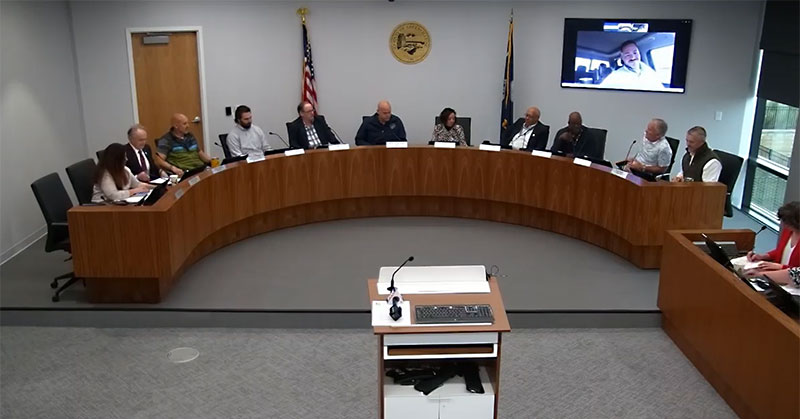
After multiple meetings and two separate votes, one issue is dominating Greenville County’s political conversation: the County Administrator’s employment contract.
Recently, Greenville County Council finalized an 18-month contract extension for County Administrator Joe Kernell. It was a decision that has left many county citizens frustrated, skeptical, and questioning whether the new council elected in 2024 is delivering the change voters expected.
With the contract signed, the public’s mistrust of the County Administrator is now spilling over onto the new council members.
It appears that inside the council chambers, however, the decision was not as simple as “renew or remove.” What emerged was a compromise — one that supporters say creates stability and a path forward, while critics argue it perpetuates a status quo the public no longer trusts.
With the contract signed, the public’s mistrust of the County Administrator is now spilling over onto the new council members.
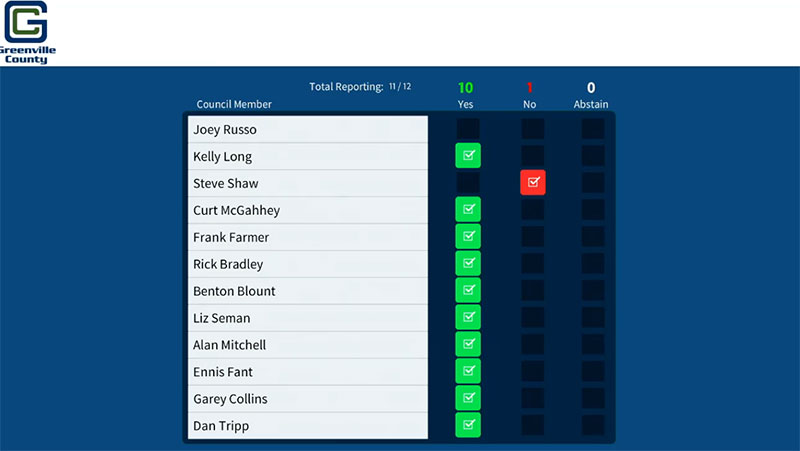
At a Committee-of-the-Whole meeting held on Thursday, January 8, the council first approved the contract framework by a 10-2 vote (Steve Shaw and Garey Collins voted against). Later, a special-called meeting produced an 11-1 vote authorizing Chairman Benton Blount to sign the finalized contract. The motion formally empowered the chairman to execute what had become a completed agreement. This time, only Councilman Steve Shaw voted against the final execution and the chairman’s authorization signature.
The result is an 18-month contract beginning January 2026 and ending July 2027, with a council-controlled option for up to six additional months. The agreement also directs a national search for a successor administrator and requires the development of a succession plan under council oversight.
In practical terms: continuity now, transition planning next. This vote wasn’t simply about keeping an administrator; it was about buying time to replace one. Something the critics say they already had time to do, and why didn’t they do it then?
The council meeting preceding the final vote drew a notably vocal crowd. Greenville citizens urged the council not to renew the administrator’s contract, citing overdevelopment without supporting infrastructure, traffic and stormwater failures, planning decisions overriding community input, and concerns about transparency in financial and tax-abatement reporting.
Several called for an interim administrator. Others demanded an immediate nationwide search. Some raised alarms about missing financial disclosures and audit components.
To those in attendance and those watching by streaming, the contrast between citizen frustration and routine proceedings deepened the sense that public and leadership priorities remain misaligned. It became obvious that the people didn’t come to watch. They came to be heard.
Chairman Benton Blount later explained the decision as a measured transition plan rather than a traditional renewal. He emphasized that the contract contains a defined endpoint, directs recruitment of a successor, and mandates a succession plan approved by council.
As far as we know, this type of arrangement has not previously been used by county council, illustrating how far this conservative council was willing to go to ease public concern. For many citizens, it appears the effort fell short.
The Chairman also noted that the administrator operates under council direction and that recent reforms under the new council include lowered property taxes, increased road funding, yearly budgeting for improved transparency, and added spending oversight requirements.
His argument: the same council trusted to set a new direction should also be trusted to manage an orderly leadership transition.
The county council majority’s implied message was that stability in the present would allow for stronger accountability in the transition ahead.
Not all council members agreed.
Councilman Steve Shaw voted against final authorization, citing concerns about incomplete performance evaluation procedures and inadequate preparation for a decision of such magnitude.
Councilman Garey Collins opposed the extension in earlier votes, stating he was elected to give citizens a stronger voice and that nearly all public communication he received urged non-renewal.
Councilwoman Kelly Long supported the final agreement, describing it as the only option that avoided financial disruption while allowing adequate time to recruit and onboard a successor administrator.
Even inside the council, the debate was less about personalities and more about process and timing. Some would say that this was not unity — it was a negotiated consensus.
This vote wasn’t simply about keeping an administrator; it was about buying time to replace one. Something the critics say they already had time to do, and why didn’t they do it then?
A few citizens have urged patience, arguing that governing requires compromise, coalition-building, and incremental progress rather than abrupt disruption. Major decisions require seven votes. Progress sometimes arrives step by step, not all at once.
That perspective recognizes the complexity of managing a half-billion-dollar annual budget, thousands of employees, and major long-term capital projects.
But for many concerned and outspoken citizens, the contract vote represented more than an employment decision. It symbolized whether the new council truly intends to change course from past governing patterns or preserve the status quo.
Voters replaced much of the previous council in 2024 following dissatisfaction over tax increases and development policies. Expectations for reform were high. Extending the tenure of a long-serving administrator, even with an exit plan, struck some as too familiar.
Concerns over financial reporting transparency and audit disclosures, whether verified or not, have further strained confidence. And as they say, when trust is thin, even compromise looks suspicious.
At the same time, citizens remain watchful and engaged. As local citizen James Hoard aptly put it, “the sausage-making isn’t pretty.” But in this case, the public is watching the kitchen extremely closely.
Joe Kernell will remain County Administrator through July 2027. Council has committed to initiating a national search for his successor and approving a succession plan. Whether that process fulfills voters’ expectations for change will define this council’s legacy more than the vote itself.
The contract is settled. The public’s confidence is not.