












S.768 would raise senior exemption to $150,000 as a proposed amendment seeks relief for all homeowners
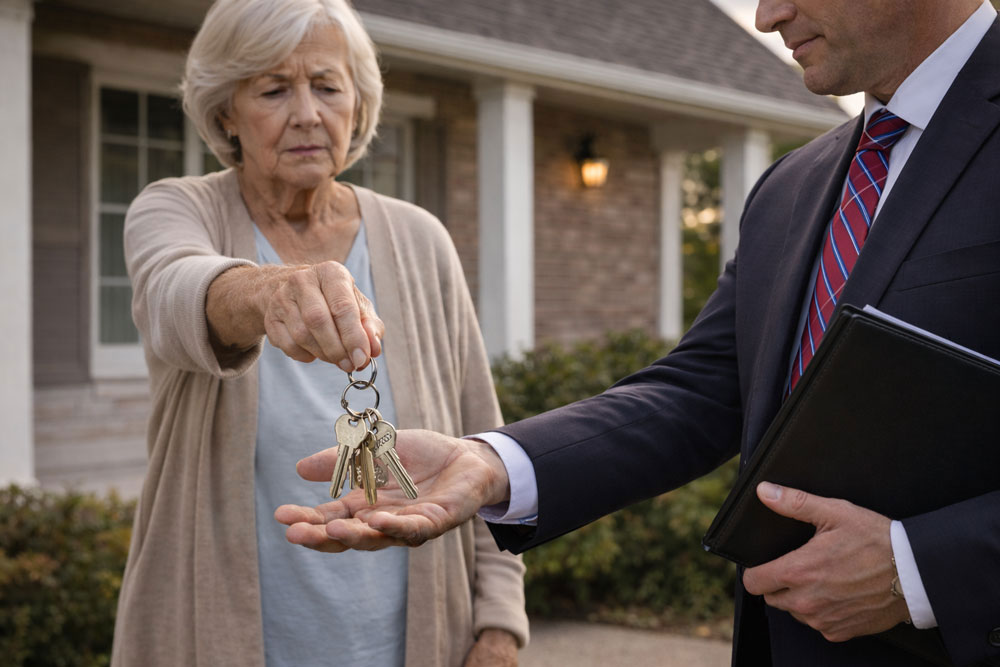
Debate over property tax relief intensified this week in the South Carolina General Assembly as senators continue to consider the Senate Bill 768, a measure that would significantly expand South Carolina’s homestead exemption for seniors while also opening discussion about broader relief for all primary homeowners.
Senate Bill 768, as amended by the Senate Finance Committee, would increase the existing homestead exemption from $50,000 to $150,000 of fair market value for qualifying homeowners age 65 and older who have lived in South Carolina for at least five property tax years. Under current law, the homestead exemption applies to residents age 65 and older, as well as those who are legally blind or totally disabled, and exempts the first $50,000 of a primary residence’s fair market value from county, municipal, school, and special assessment property taxes.
Primary residences in South Carolina are assessed at a 4 percent ratio of fair market value. The homestead exemption reduces the taxable value before that assessment ratio is applied, thereby lowering the overall property tax obligation for eligible homeowners.
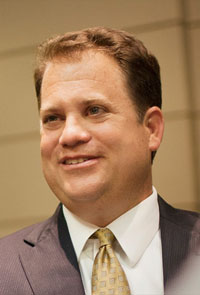
While the base bill focuses on expanding the senior exemption, State Senator Lee Bright has announced plans to introduce an amendment that would provide a $100,000 exemption to all homeowners taxed at the 4 percent primary residence rate, regardless of age. Bright discussed the proposal during an interview on The Charlie James Show on News Talk 98.9 WORD.
“The bill is to give $150,000 to people over 65 that have lived here over five years,” Bright said. “So I'm proposing an amendment to give it to everybody, $100,000… it will give $100,000 across the board for everybody that's at the 4% rate on the homeowners.”
Bright estimated during the interview that the senior-focused expansion would represent roughly a quarter billion dollars in tax relief, while extending a $100,000 exemption to all primary homeowners could approach $900 million. He further stated that eliminating property taxes on primary residences entirely would cost approximately $2 billion annually.
As lawmakers weigh the proposals, county governments are evaluating how such changes could affect local operations. Benton Blount, Chairman of Greenville County Council, told the Times Examiner he supports targeted relief but cautioned about long-term structural implications.
“I strongly support expanding the homestead exemption, especially for seniors and long-time homeowners who have paid into this system for decades, often funding not just their own children’s education, but multiple generations beyond their household. If anyone has earned meaningful relief, it’s them,” Blount said.
“But we also owe citizens honesty. Revenue for essential services doesn’t disappear; it shifts. If property taxes are reduced at scale, something replaces them, and in South Carolina, that almost certainly means increased reliance on sales tax. We’ve already seen that trend over the past decade, and even Georgia is now having the same conversation about moving toward a new tax structure.”
Blount emphasized that transparency must accompany any major tax reform.
“I’m not saying structural change couldn’t ultimately be better. I am saying, ‘Tell us what you’re doing, and why.’ Don’t promise property taxes will vanish only to quietly replace them later with higher sales taxes. Citizens can handle the truth. What erodes trust is watching major changes happen behind closed doors and being told after third reading.”
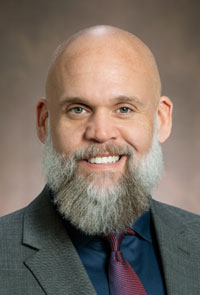
He added that counties remain responsible for funding core services.
“Relief matters. Transparency matters just as much. Counties still have to fund law enforcement, courts, emergency services, and infrastructure. Tax reform is serious work, and people deserve to know not just what’s being reduced, but what replaces it, and who controls it in the future.”
Blount’s comments reflect concerns among some county officials that while tax relief may reduce one revenue stream, local governments would still need to fund core services, requiring thoughtful decisions about how those responsibilities are supported.
Beyond the fiscal calculations lies a deeper philosophical debate that surfaced during the WORD interview. Talk show host Charlie James raised a question that resonates with many property owners: if failure to pay property taxes can ultimately result in government seizure of the home, does a homeowner truly own the property, or is he effectively renting it from the state?
There is an important distinction to be made. When a homeowner takes out a mortgage and later defaults, foreclosure stems from a voluntary contract. The borrower assumed that risk knowingly. But property taxes are imposed without individual consent. A homeowner may pay off the mortgage entirely and hold clear title, yet still face the possibility of losing the home if tax burdens exceed the ability to pay.
For some seniors on fixed incomes, that is not a theoretical concern. Rising assessments can increase tax bills even when retirement income remains unchanged. In such cases, the loss of a home would not stem from financial mismanagement or contractual default, but from mandatory tax obligations that can increase long after ownership has been secured.
Yes, property taxes fund essential services, and any serious discussion must acknowledge that reality. And again, counties and municipalities depend on that revenue. But the current debate in Columbia highlights a tension between revenue needs and property rights. Whether relief remains limited to seniors or expands to all primary homeowners, next week, lawmakers will be confronting more than a budget line item. They will be confronting a foundational question about ownership itself.
For some, that question is simple. If the government can ultimately take your home for unpaid taxes, ownership becomes conditional. And conditional ownership feels less like ownership and more like permission.
The Senate may decide the dollar amount this coming week. But the larger question for South Carolina is whether homeownership means holding the title and the keys outright or holding them only so long as government allows it – a question that weighs most heavily on seniors living on limited incomes.