











- Ten Toes In: Why Trump Accounts Make Sense for North Carolina's Small Businesses
- Remnant Called -
- It’s Getting Late! It’s Now or Never
- Leadership - Desperately Needed!
- Islamic Expansion in Texas
- Former Moms for Liberty Chairs in South Carolina Address Massive Departure from Organization
- Greenville County Holding Public Meetings on 1% Transportation Sales Tax Referendum
- Same Job. Two Résumés. Graham and Norman Make Their Case for the US Senate
- Beyond the Monuments - Finding the Forgotten Grave of Dicey Langston
- The Myth of Voting for the Lesser of Two Evils
- AIPAC Lobbyists Grip on Congress
- Equipping the Persecuted: Weekend Terror Alert Helped Avert Wider Massacre as Slaughter of Christians Continues to Ravage Nigeria Unchecked by Government
- South Carolina Gas Tax Climbs From Near Bottom Nationally to 30th in 2026
- Thurmond and Murkowski Won as Write-Ins. Is This Year’s Senate Race Really the Same?
- Hunting Island's Lighthouse Was Built to Outsmart the Atlantic's Shifting Shoreline
Political
Ask Your Senators to Support SAVE America Act
- Details
- By Eagle Forum
After much pressure from the grassroots and President Trump, Senate Majority Leader John Thune (R-SD) announced he will bring the SAVE America Act (S. 1383) to the floor this week. This bill will require individuals to show proof of American citizenship when registering to vote and a photo identification at the voting booth for federal elections. In addition, states must ensure that only U.S. citizens are registered to vote and purge their voter rolls of any non-citizens.
Wilson – “We're going to be like Michael Jordan”
- Details
- By Terry M. Thacker
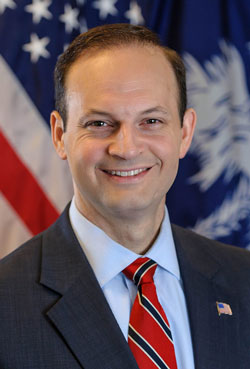
After stumping recently at a private gathering, the busy Attorney General and gubernatorial candidate Alan Wilson graciously gave the Times Examiner a couple of minutes before rushing off to his next appointment of the day.
Wilson said of Jordan, the famous basketball player, “What made him so good is he was always taking the shots.” He told of how basketball fans remember all the “buzzer-beater” shots that Jordan took during his career that won the game but that what is not remembered is the multitude of shots he took that did not swoosh through the net.
Wilson, who said he plans to play to win, wants to be like Jordan. “We're going to take chances. We're going to be aggressive in our policies and we're going to do things the state hasn't seen before. We're going to be like Michael Jordan. We;re going to take so many shots and we're going to win so many games.”

Senator Hawley Introduces the Safeguarding Women from Chemical Abortion Act
- Details
- By Sarah Holliday - The Washington Stand
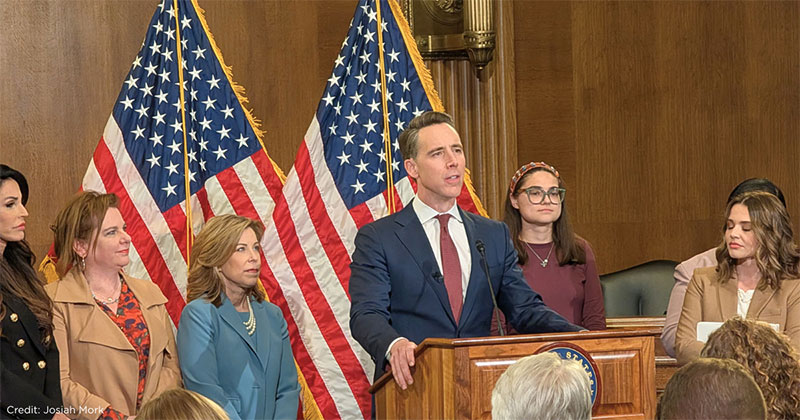
Senator Josh Hawley (R-Mo.) took to the podium Wednesday in the Senate Judiciary hearing room to deliver a clear message: the abortion pill mifepristone isn’t just risky — it’s “inherently dangerous.” And it’s up to Congress to regulate it.
At a press conference, the Missouri senator unveiled his new legislation, the Safeguarding Women from Chemical Abortion Act. This bill seeks to strip mifepristone — the drug responsible for the majority of U.S. abortions — of its longstanding approval from the Food and Drug Administration (FDA). According to recent data from the Guttmacher Institute, chemical abortions made up 63% of all abortions in 2023, with the trend only accelerating in the years since.

Eagle Forum Supports ‘Detransitioners’ On Detrans Awareness Day
- Details
- By Press Release
Today, we acknowledge and support those victims of the radical gender ideologues who have survived the horrific procedures of so-called “gender affirming care” and have instead chosen to align with their biological sex, or ‘detransition.’
The sad truth is that vulnerable children and their parents are being deceived by doctors and transgender activists who tell them that the treatment for their mental issues is to mutilate their bodies. Many have been told that stopping puberty, injecting dangerous, cross-sex hormones, and cutting off their genitals will cure their depression and body dysmorphia and also prevent suicide. Studies have shown that this is not the case. A nine-year study in Germany showed that two out of three children who struggle with gender dysphoria will outgrow those feelings within five years. Another study performed by the National Institutes of Health showed that those who undergo transgender procedures have a higher risk of suicide.
Feminists Push Extreme Causes in the Name of Women
- Details
- By Eagle Forum
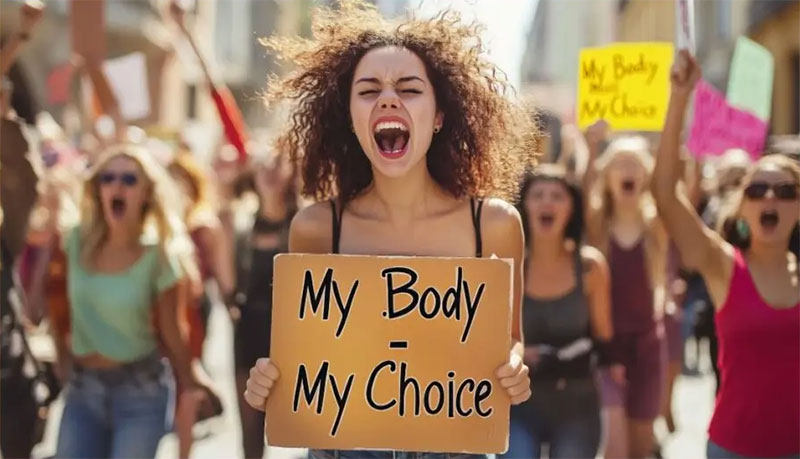
Sunday, March 8th, was heralded as International Women’s Day. Many groups, businesses, and individuals took to social media to celebrate womanhood, but with a feminist flair. Gender equality, LGBTQ rights, and abortion were topics on display. When you dig deeper, IWD is more than a day — it’s a collaboration of dark groups, corporations, and a global entity that pushes this ideology into countries. So, how did this day become an international sensation? Who funds this agenda? And are they truly celebrating women?

A Simple Question: Does the North Carolina Board of Elections have to Follow the North Carolina Constitution?
- Details
- By Kathleen Marquardt - American Policy Center

A simple answer: yes.
So, what is the problem? It, too, is very simple: a woman who wears a burqa and purports to be a Republican, is running for a seat in the State Senate (no Republican had tossed their hat in the ring in this heavily Democrat state).
Why do I find this outrageous? Because it is blatantly obvious that the woman is not a conservative, is obviously not a God-fearing person, and is doing it to get into further desecrate our laws.
What validates my words?
The North Carolina Board of Elections must follow the North Carolina Constitution, as it outlines the structure of government and the rules by which laws and policies operate, including those related to elections and voting. This ensures that elections are conducted lawfully and fairly in accordance with constitutional provisions.

Clerk of Court Jay Gresham Will Speak to Greenville Republican Women
- Details
- By Press Release


- Homes not Hotels and Hostels!
- Lamar Advertising Refuses to Display Stanton Healthcare’s Billboard Campaign Offering Abortion Pill Reversal for Women
- HHS & Supreme Court Deliver Wins Protecting Children from Gender Ideology
- From Sewer Expansion to Six-Figure Sanctions
- David Stumbo to Speak at Next The Upstate Republican Women Luncheon
- Do You Think Property Rights Exist Now in America? Well, Think Again
- Marijuana: A Mind-Altering Drug
Browse by the Top Tags ...